The Enigma of Zebra Stripes at Singapore Zoological Gardens

Visitors to the Singapore Zoological Gardens are often captivated by the sight of Grant's zebras grazing peacefully within their habitats. As one of the main herbivores of the African plains, these zebras are not only a part of the vibrant ecosystem but also serve as a subject of widespread curiosity and scientific study, primarily due to their distinctive striped patterns.
Understanding Zebra Stripes: More Than Meets the Eye
Scientists have long pondered the purpose behind the black-and-white striped coats of zebras. While no definitive answer exists, several theories have emerged over the years. These black-and-white patterns may serve multiple functions in zebra survival and social behavior.
Camouflage and Confusion: A Predator's Dilemma
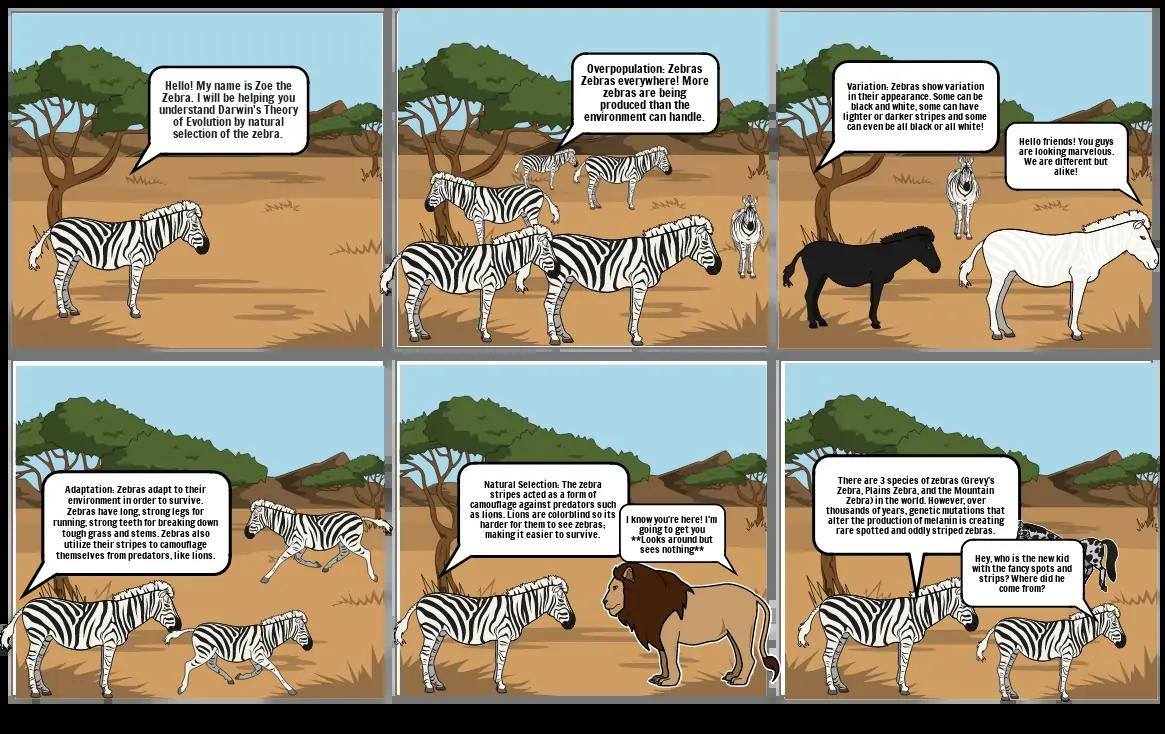
One of the prevailing theories is that zebra stripes act as a form of camouflage. When zebras stand together as a herd, their stripes can merge visually, making it difficult for predators like lions to single out an individual zebra. Additionally, the stripes may create an optical illusion known as motion dazzle, which confuses predators during a chase, making capturing a zebra more challenging.
Temperature Control: A Natural Thermoregulation Mechanism
Another hypothesis is that the stripes help regulate body temperature. The alternating black and white stripes may create micro airflows over the zebra's body, with black stripes absorbing heat and white stripes reflecting it, thus aiding in cooling the animal during the heat of the day.
Social Interaction: A Stripe for Identification

Moreover, zebra stripes may play a crucial role in social interactions. Each zebra's stripe pattern is unique, much like a human fingerprint, and may help these animals recognize one another. This recognition is vital for maintaining social bonds, mating, and even nurturing between mothers and their foals.
Insect Repellent: A Natural Defense Against Biting Bugs
Interestingly, research suggests that zebra stripes may also be an evolutionarily developed deterrent against biting insects that carry diseases. The stripes may disrupt the visual systems of insects like horseflies, which are less likely to land on striped surfaces than on solid-colored ones.
Conservation Efforts and Education
The conservation of Grant's zebras and the protection of their habitats is an ongoing effort that requires global awareness and participation. The Singapore Zoological Gardens not only house these stunning animals for visitors to enjoy but also engage in educational programmes that highlight the importance of wildlife conservation. By understanding the unique traits of species like Grant's zebras, the zoo aims to foster appreciation and prompt action towards preserving our planet's biodiversity.
Conclusion: Celebrating the Wonders of Wildlife
The mesmerizing stripes of Grant's zebras are a testament to the wonders of evolution and serve as a reminder of the intricate relationship between form, function, and environment. As the Singapore Zoological Gardens continue to promote understanding and protection of these remarkable animals, the mystery of their stripes enriches our fascination with the natural world and motivates us to ensure they thrive for generations to come.