
Snakes, one of the most fascinating and diverse species on our planet, have mastered the art of survival in a wide array of environments. From the highest mountains to deserts, and from aquatic realms to the treetops, snakes have evolved incredible adaptations that allow them to thrive almost everywhere.
Remarkable Habitats Without Snakes
Despite their widespread distribution, certain places on Earth are devoid of these reptiles. New Zealand is known for its absence of venomous snakes, while Ireland and Antarctica maintain environments completely free of snake species.
The Land of Venomous Snakes: Australia
Australia stands out as the frontier where venomous species not only outnumber their non-venomous counterparts but are also home to the world's most toxic snakes. A striking 60% of snake species in Australia are Elapids, and the country hosts 25% of the world's elapid population.
Adapting to Aquatic Life
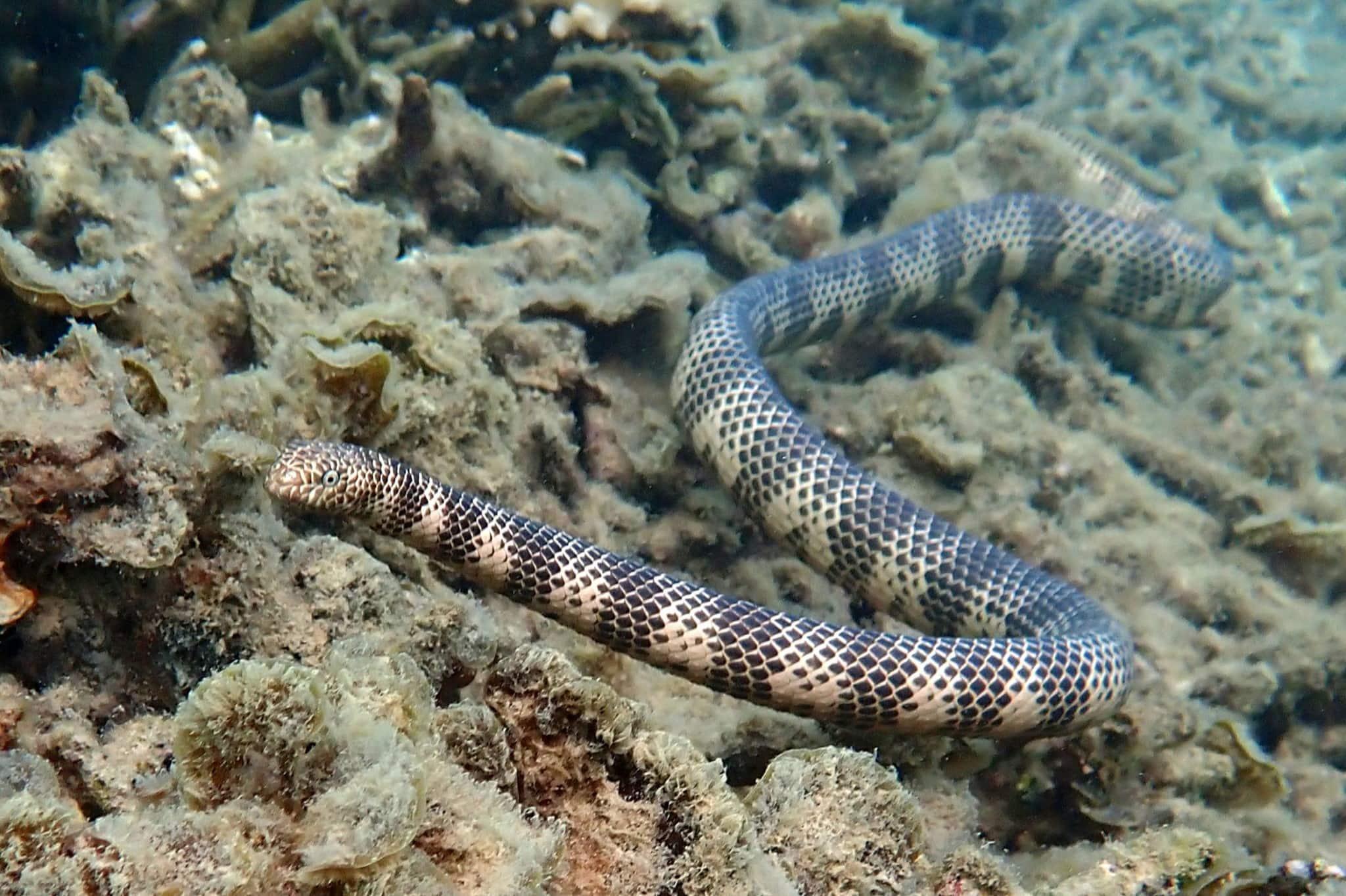
While most snakes are proficient swimmers, aquatic and semi-aquatic species have perfected their adaptations to life in water. These snakes exhibit impressive features such as paddle-like tails, flattened bodies, and specialized scales to capture slick aquatic prey.
Expert Burrowers: Subterranean Snakes
A select group of snakes have take up residence underground, with adaptations such as spade-shaped heads and powerful tails to help them navigate and excavate their subterranean domains.
Desert Serpents: Masters of Thermal Regulation
The arid landscapes are not barren of life when it comes to these resilient creatures. Desert snakes exhibit various adaptations such as hibernation during extreme heat and sidewinding locomotion to traverse the hot sands without overheating.
Arboreal Acrobats: Navigating the Tree Canopy
Snake species that inhabit the forest canopy demonstrate their agile nature. Some make use of their prehensive tails, whereas others have slender, vine-like bodies that enable them to glide through the air from tree to tree.
Surviving the Cold
In stark contrast to their desert-dwelling cousins, certain snakes have found their home in the chilling climates of the Arctic Circle and mountainous regions. These snakes utilize deep pigmentation to absorb sunlight and engage in hibernation strategies to endure the harsh winters.
Curiosities of Snake Biology

Snakes, often misunderstood, possess a range of biological quirks that spark curiosity. Questions such as whether they're indeed slimy, how they consume their prey, and their reproductive methods are just the tip of the investigative iceberg when it comes to learning about these creatures.
Conservation: Protecting Snake Populations
The role of snakes in ecosystems is critical, yet many species face threats from habitat destruction and human fear. Conservation efforts are crucial to maintain the balance that snakes bring to their habitats.
Snakes in Human Culture
Snakes have been featured prominently in mythologies and cultures around the world, symbolizing a diverse array of concepts from healing to danger, highlighting their impact on human life throughout history.
Record-Breaking Snakes
In a final nod to the extremes, the serpent world has record holders of its own, from the mightiest pythons to the tiniest of thread snakes. Each species possesses its own unique set of traits that allow it to survive and flourish in its respective niche.