
Self-defense is an essential aspect of survival for both humans and animals alike. Throughout the evolutionary landscape, various species have developed unique mechanisms to protect themselves from predators and other threats. Among these intriguing adaptations, the world of reptiles offers a fascinating perspective on survival tactics. The Komodo dragon, a species that sparks both fear and curiosity, is one such reptile that has much to teach us about the art of self-preservation.
Self-Defense Strategies of The Komodo Dragon
Komodo dragons, the largest living lizards on Earth, possess a range of defensive measures that have enabled them to thrive in harsh environments. Their robust physical structure and keen senses make them formidable adversaries. Understanding their defense strategies can provide valuable insights into the broader concept of self-protection in the animal kingdom.
Anatomy of Defense: Komodo Dragon's Physical Attributes
The robust physicality of Komodo dragons plays a crucial role in their defense. With sharp claws, powerful limbs, and a set of razor-like teeth, they can inflict serious wounds on potential threats. Additionally, their thick scales act as an armor-like layer, offering protection against attacks and the rough terrain of their habitat.
Chemical Warfare: The Dragon's Venomous Bite
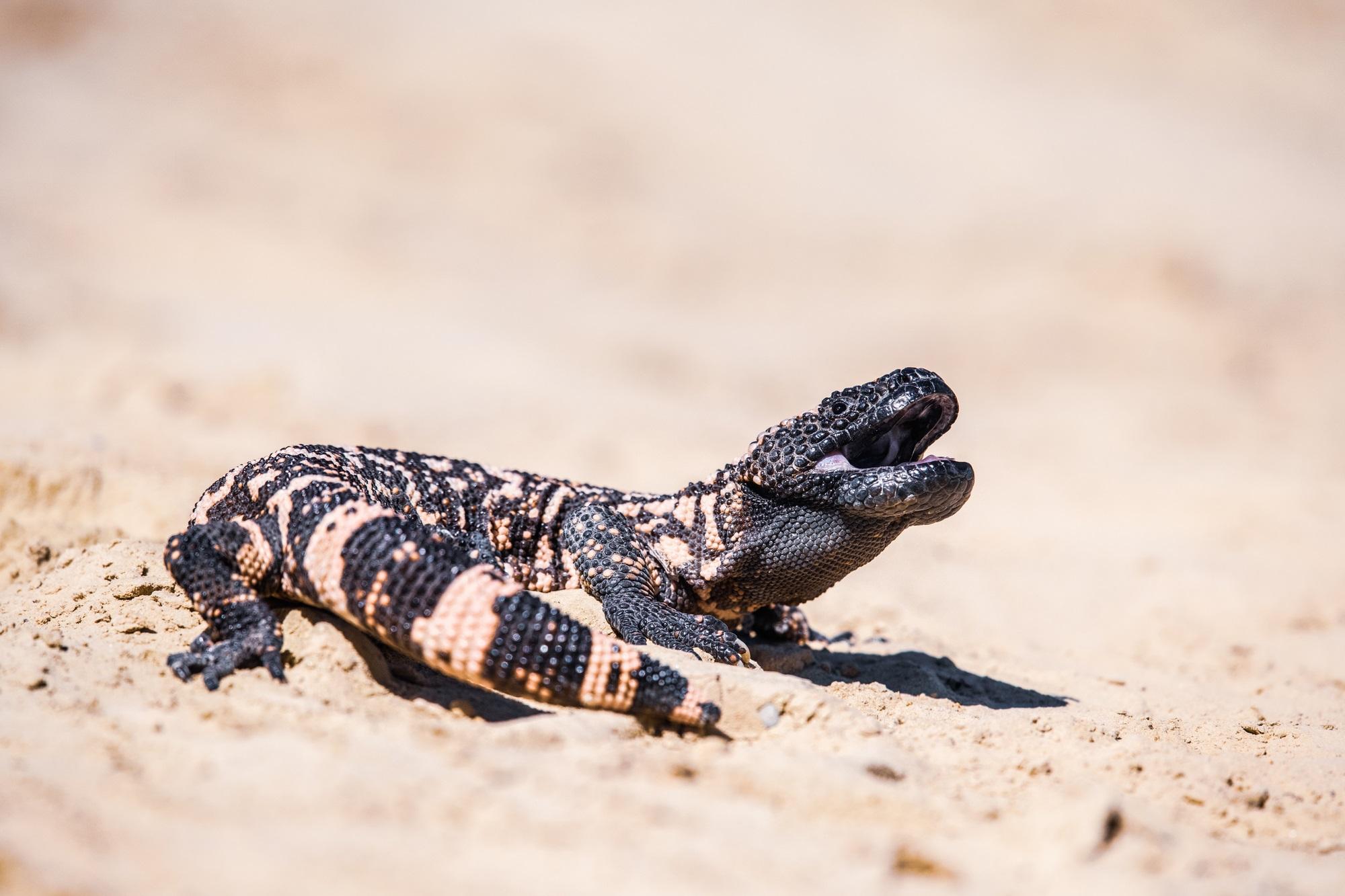
Recent studies have revealed that Komodo dragons possess venom glands that produce a cocktail of toxins. This venom can induce shock, reduce blood clotting, and cause muscle paralysis, making it an effective defense and predation tool. The discovery of these venom glands has shifted the perspective on how these creatures subdue their prey and dissuade opponents.
Alert and Aware: Sensory Perception in Defense
The dragons' acute senses are vital in detecting danger early. Their ability to pick up scents from miles away, along with their keen eyesight, helps them avoid threatening situations. When faced with imminent danger, their swift reflexes and agile movements enable them to react quickly. This heightened awareness is crucial in preemptive self-defense, a lesson applicable to human self-defense practices.
Mating Season Tactics: A Fight for Survival
During mating season, which peaks in the dry season, the natural inclination for self-preservation is put to the test. Komodo dragons engage in fierce battles to win over mates, employing their strength and endurance. These confrontations showcase not only their offensive prowess but also their defensive tactics as they parry and counterattacks from rivals.
The Fight Beyond: How Komodo Dragons Resolve Conflict

Interestingly, despite their aggressive interactions during mating battles, Komodo dragons often resolve confrontations without serious injury. They demonstrate a unique understanding of combat limits, knowing when to withdraw to avoid unnecessary harm. This shows a strategic element to their self-defense, prioritizing survival over conflict.
Implications for Human Self-Defense Techniques
Observing the self-defense strategies of Komodo dragons, humans can draw parallels to our own defense mechanisms. Key principles such as being aware of one’s surroundings, using one’s strengths effectively, and knowing when to engage or withdraw from a conflict are as relevant in the human realm as they are in the animal kingdom.
Integrating Natural Defense Strategies into Human Practice
Incorporating these natural tactics into human self-defense training could enhance one's ability to stay safe. Self-defense classes often teach perception, reflexive response, and strategic engagement, mirroring the defense mechanisms exhibited by Komodo dragons. By studying these reptilian survival tactics, we can broaden our understanding of effective self-defense.
Conclusion: Embracing the Wisdom of the Wild
The Komodo dragon, with its array of protective adaptations, stands as a testament to nature's ingenuity in cultivating defense mechanisms. As we delve into the intricacies of self-defense, both in the human and animal worlds, we gain a deeper respect for the primal instinct to survive. By learning from these giant lizards, we can refine our own approaches to self-protection and, perhaps, find a greater connection to the natural world.