Introduction to Museum Docents
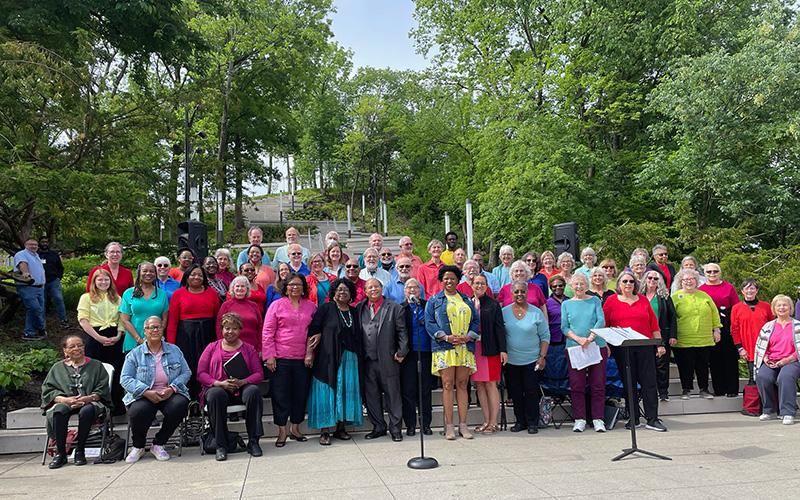
Museums are not just repositories of art and history; they are vibrant educational spaces that bring stories to life. Central to this experiential journey are the docents, knowledgeable guides whose passion and expertise provide depth to the museum-going experience. Docents like Kat, Siew Moi, and Jo are more than just guides; they are educators, storytellers, and custodians of culture.
What Do Docents Do?
Docents undertake a variety of responsibilities that enhance the educational aspect of museum visits. They conduct guided tours, tailor experiences to different groups, and keep the dialogue going about the exhibits. Through interactive sessions and engaging narratives, docents like Sharlene and Yvonne Tan create a memorable and informative environment for visitors.
Training and Dedication of Docents

The role of a docent is a specialized one, requiring a unique blend of skills and knowledge. Museums often provide rigorous training programs for docents to ensure they are well-equipped to engage with visitors of all ages and backgrounds. This preparation is a testament to their dedication, as exhibited by Haniman and others, who commit their time and energy to learning and sharing.
Beyond the Tours: Docents' Special Projects
Many docents also participate in special projects, contributing to the museum's outreach and educational programs. These initiatives often extend beyond the museum walls, reaching into the community to foster a greater appreciation for the arts and history. Docents like Pamela Maas take leaves of absence (LOAs) to focus on these special endeavours, showcasing the commitment required to make such programs successful.
Weekly Spotlight on Docents

Recognizing the vital role played by docents, some museums have implemented weekly spotlights, featuring different docents and their stories. For instance, on November 3rd, visitors might meet Kat and Siew Moi, whose expertise in certain exhibits provides unparalleled insight. The following week, Martini and Celeste might take the stage, sharing their own perspectives and knowledge. This rotating system ensures that every visit to the museum offers a fresh experience with new faces and information.
The Impacts of Docents on Museum Experiences
The impact that docents have on museum experiences cannot be overstated. They bridge the gap between the static displays and the dynamic histories behind them. By fostering curiosity and encouraging critical thinking, docents like Sharlene, Yvonne Tan, and others create an environment where art and history are accessible and engaging. They are the human element that enriches each visitor's understanding of exhibits, leaving a lasting impression that often inspires repeat visits.
Conclusion: The Importance of Docents in Museums
In a world increasingly dominated by digital interfaces, the personal connections facilitated by museum docents are more important than ever. By dedicating their time and sharing their passion, docents ensure that each museum visit is not just an errand, but an enriching experience that nurtures the public's connection to culture and history. As visitors walk through the halls of a museum, guided by the insights and enthusiasm of docents, they are not just seeing a collection of objects—they are embarking on a journey through the stories that define our humanity.