Unveiling the Widespread Habitat of Snakes

Snakes are incredibly adaptable creatures that have conquered almost every corner of the planet. From the icy Arctic tundra to the scorching sands of the desert, these reptiles have evolved to survive in a myriad of environments. However, there are exceptions to their distribution. For instance, New Zealand is known for its complete absence of venomous snakes, while Ireland and Antarctica boast environments completely devoid of snakes.
Venomous Snake Capitals of the World
Australia distinguishes itself as the land where venomous snakes outnumber non-venomous species. Remarkably, it is home to 60% of the world's elapid snakes, making it a hotspot for some of the most toxic serpents on the globe.
Adaptations of Aquatic and Semi-Aquatic Snakes
In warmer waters, snakes have developed extraordinary physiological traits to aid their aquatic lifestyles. From paddle-like tails to valved nostrils and a specialized rostral groove, these snakes are built to hunt in the water. Additionally, many aquatic species can expel excess salt through a specialized gland in their mouth, highlighting their unique adaptation to marine environments.
Life Underground: Burrowing Snakes
True burrowing snakes have a suite of specialized adaptations such as shovel-shaped heads for digging and powerful, spined tails for propulsion. These creatures are found in warm grounds where they can burrow and occupy existing holes, sometimes sharing them with other animals like the impressive Burmese Rock Python.
Survivors of the Sand: Desert Snakes
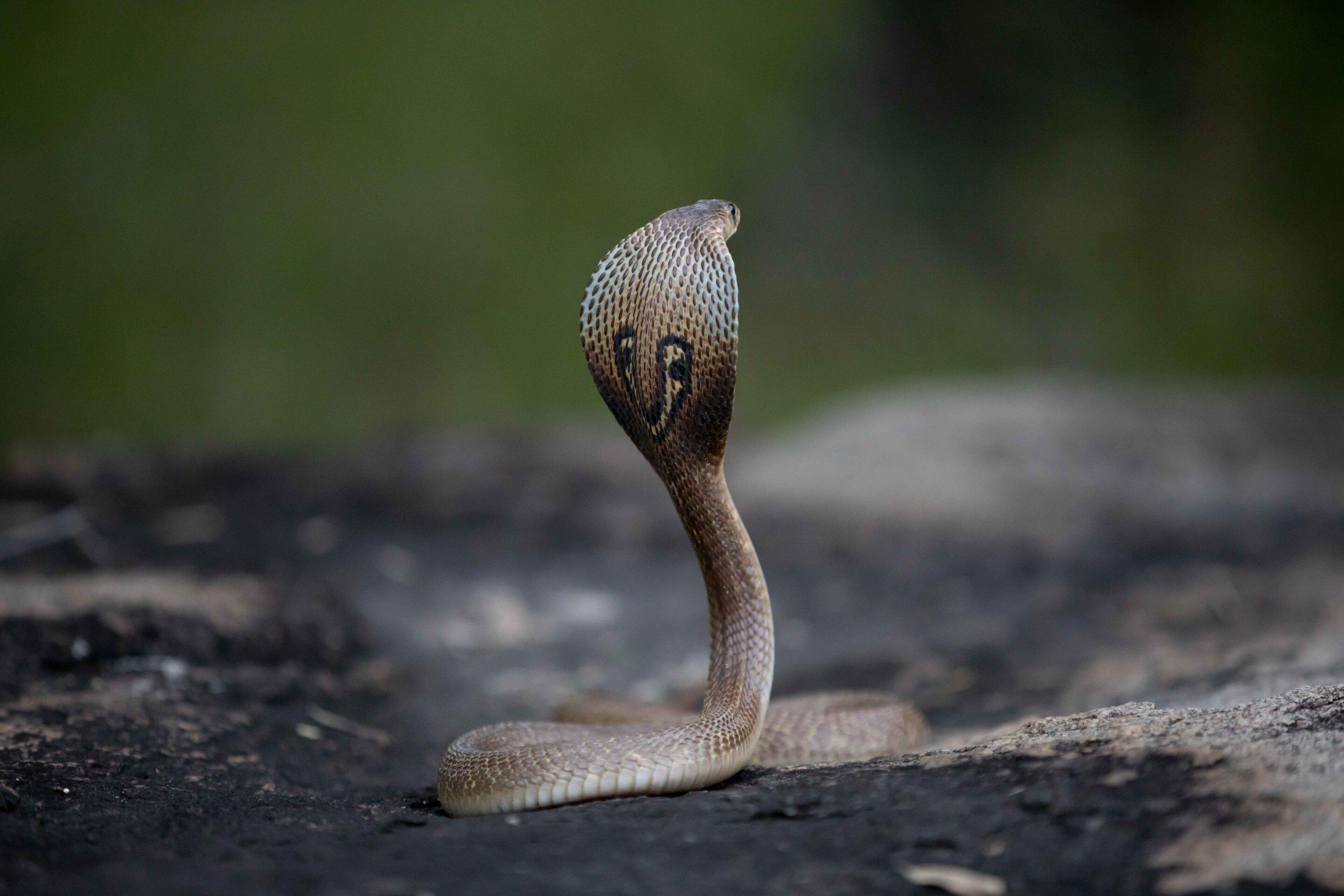
Desert environments may seem inhospitable, but snakes such as the Horned Viper have incredible features that help them thrive in arid conditions. From sidewinding locomotion to protective horns and specialized breathing adaptations, desert snakes are masters of sandy realms.
Canopy Conquerors: Arboreal Snakes
Aerial agility is key for tree-dwelling snakes. Whether they are long and vine-like or shorter with prehensile tails, these snakes are equipped with specialized scales and unique circulatory adaptations that allow them to navigate the forest canopy efficiently.
Cold Weather Adaptations: Arctic Snakes
Even at the borders of the Arctic Circle, certain snake species such as the European Adder manage to survive by basking in sunlight, bearing live young, and hibernating through the harsh winter months. Their group hibernation habits and reproductive challenges reflect remarkable evolutionary compromises to cold climates.
Feeding Habits and Hunting Techniques of Snakes
Understanding the diverse worlds snakes inhabit is fascinating, but equally as intriguing is their diet and hunting methods. Predominantly carnivorous, snakes employ various strategies to capture and devour their prey, from constriction to venom injection.
The Lethal Strike: How Snakes Kill

The methodology of a snake's kill is designed to be swift and efficient, typically involving immobilizing the prey with either venom or muscular force. These methods not only secure the meal but also minimize the risk of injury to the snake.
Defensive Strategies and Predation Risks
Snakes are not just predators; they are also prey. To protect themselves, they have developed a range of defense mechanisms, from camouflage to mimicking more dangerous species. Understanding these strategies is vital for both snake and human safety.
Mating Rituals and Reproduction in Snakes
The reproductive processes of snakes are as diverse as their habitats, involving various mating behaviors, egg-laying habits, and even live births in colder climates. Studies of these rituals offer insights into the complex lives of serpents.
Coexisting with Humans: Conservation of Snakes
Despite their often feared status, snakes play critical roles in ecosystems and face threats from habitat loss and human activities. Conservation efforts aim to protect these animals and educate the public about the importance of maintaining their populations.
Snake Superlatives: Records in the Reptile World
From the largest to the smallest, the deadliest to the most benign, snakes hold a variety of records that fascinate and horrify. Exploring these extremes provides a window into the vast diversity of snake species around the world.