
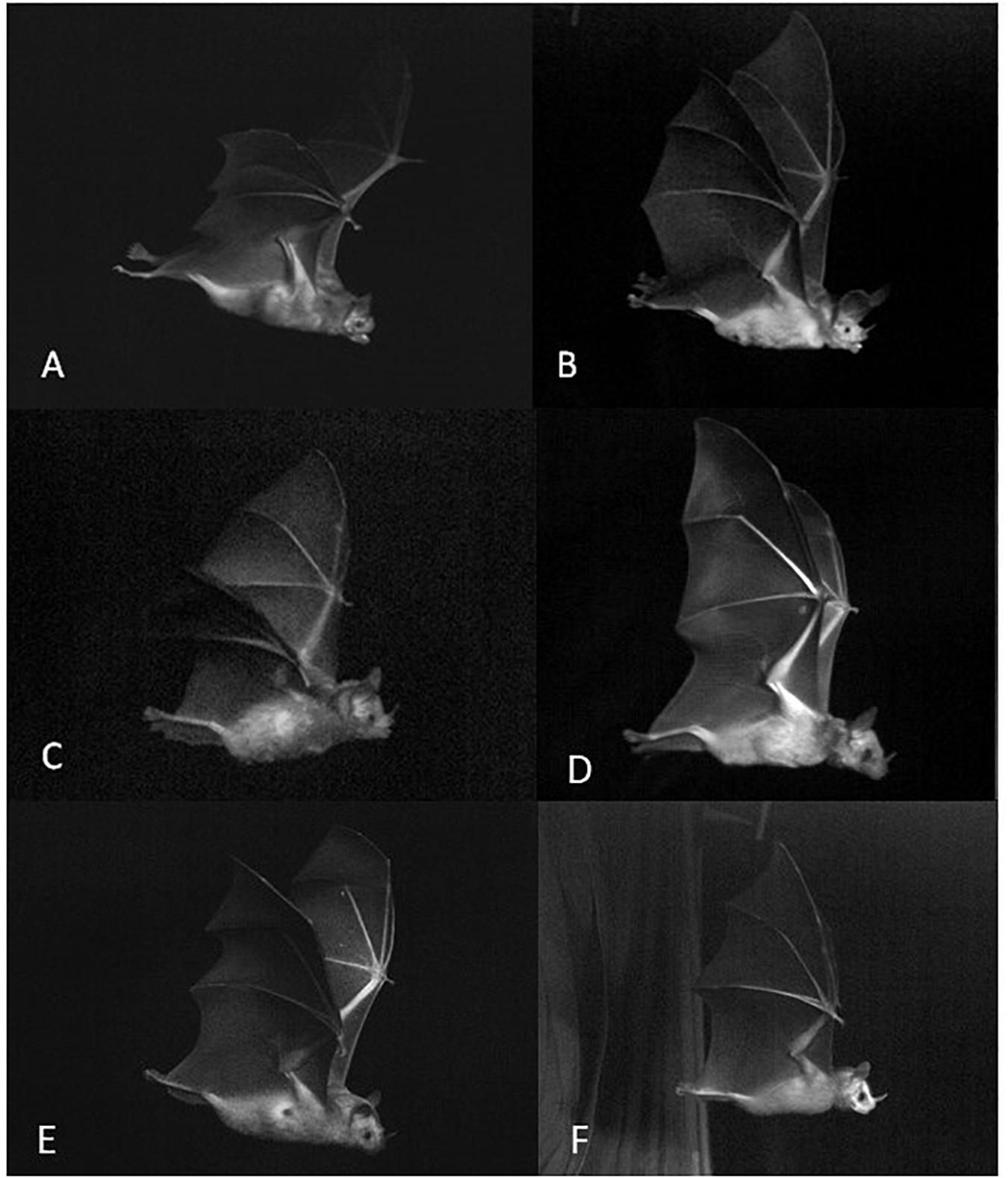
The Rodrigues fruit bat, commonly known as the Teddy Bat, stands out in the bat family due to its cuddlesome appearance, with a ruff of thick golden-red fur and contrasting chocolate wings. Hailed as one of the most colorful and handsome bats, this species is also among the world's rarest mammals, captivating the hearts of conservationists and wildlife enthusiasts alike.
Distinctive Features of the Rodrigues Bat
Unlike many of its echolocating cousins, the Rodrigues Bat does not possess grotesque ears or an unusual nose structure. This is because, as a predominant fruit-eater, it doesn't rely on echolocation to track moving prey. With its food sources stationary, the Rodrigues Bat utilizes a sensitive fox-like nose to sniff out ripe fruits.
Vital Statistics of the Rodrigues Bat
The Rodrigues Bat boasts a wingspan ranging from 50 cm to 1 meter and weighs around 300 grams. Captive individuals can live up to 15 years, giving birth to one offspring annually. These babies weigh roughly 50 grams at birth after a gestation period of 140 to 150 days. They are weaned at 2 to 3 months and reach maturity between 1.5 to 2 years.
Social Structure and Distribution
In their natural habitat, Rodrigues Bats form harems consisting of one male and up to eight females. These are often part of larger roosting colonies or "camps". Endemic to the tiny Rodrigues Island in the Indian Ocean, their habitat is highly restricted and precarious.
Habitat and Dietary Habits

Dense rainforests on Rodrigues Island provide the perfect home for these bats, part of the Pteropodidae family, or fruit bats. Their diet primarily consists of ripe fruits such as guavas, mangoes, and tamarinds, which they consume in a unique style by crushing the fruit to extract the juice and then spitting out a pellet comprising of pulp, seeds, and skin.
Adaptations for Survival
The Rodrigues Bat might be an adept flyer, but its landing often lacks grace, resulting in noisy crash-landings. Nevertheless, these bats display remarkable agility as they climb using their wing claws and feet, navigating their forested habitat with ease.
Reproduction and Development
Baby Rodrigues Bats are born blind and naked, rapidly growing while clinging to their mothers' fur. They develop sharp, hooked milk teeth which ensure a firm grip as they suckle from teats located beneath their mother's armpits. In a remarkable display of social behavior, female bats are known to assist each other during the birthing process.
Ecological Significance
Playing a key role in their habitat, Rodrigues Bats are essential for seed dispersal and pollination. They contribute to the regeneration of forests and support the ecosystem by providing food sources for other species. Their presence is crucial in maintaining biodiversity, especially within island environments.
Conservation Challenges
With a mere 2% of their original forest remaining and populations previously dropping to a critical 70 individuals in 1974, the species faces significant threats. These include habitat loss, destruction from cyclones, and misdirected human persecution. Conservation efforts have since helped increase their numbers to an estimated 1,500 to 2,000 by 1998, but challenges remain.
Conservation Efforts and Successes
Global conservation efforts focus not only on the Rodrigues Bats themselves but also on educating locals about the vital importance of these creatures. Captive breeding has proven successful, with several hundred individuals now in care across the US and Europe, forming a safety net for the species.
Fascinating Relatives
The Rodrigues Bat shares its dire conservation status with its Mauritian relatives like the Black Flying Fox, also severely imperiled. Efforts to protect these unique species are increasingly urgent as we seek to maintain the natural splendor and balance of island ecosystems.
Final Thoughts
As the world grapples with biodiversity loss, the Rodrigues Bat serves as both an emblem of vulnerability and a beacon of hope. Conservation success stories and continuing efforts underscore the importance of preserving even the smallest of nature’s wonders for the health of our planet.