
The world of primates is fascinating and diverse, encompassing numerous species with unique adaptations that enable them to thrive in distinct ecosystems. Among the distinctive features of some primate species are the prehensile tails found in certain New World monkeys, the cheek pouches of Old World monkeys, and the notable differences that set apes apart from their primate cousins. This article delves into the characteristics of these primates and highlights the urgent conservation challenges they face.
The Unique Adaptations of Old World Monkeys
Cheek Pouches: Nature's Storage Solution
One of the prominent features of Old World monkeys is the presence of cheek pouches. These extendable pockets located within the mouth area serve as temporary storage compartments, allowing these primates to gather food quickly and efficiently. This adaptation is especially useful in environments where food competition is intense, giving them an edge by allowing them to consume the stored food in a safe, protected spot.
Distinguishing Apes from Monkeys
Physical and Behavioral Characteristics

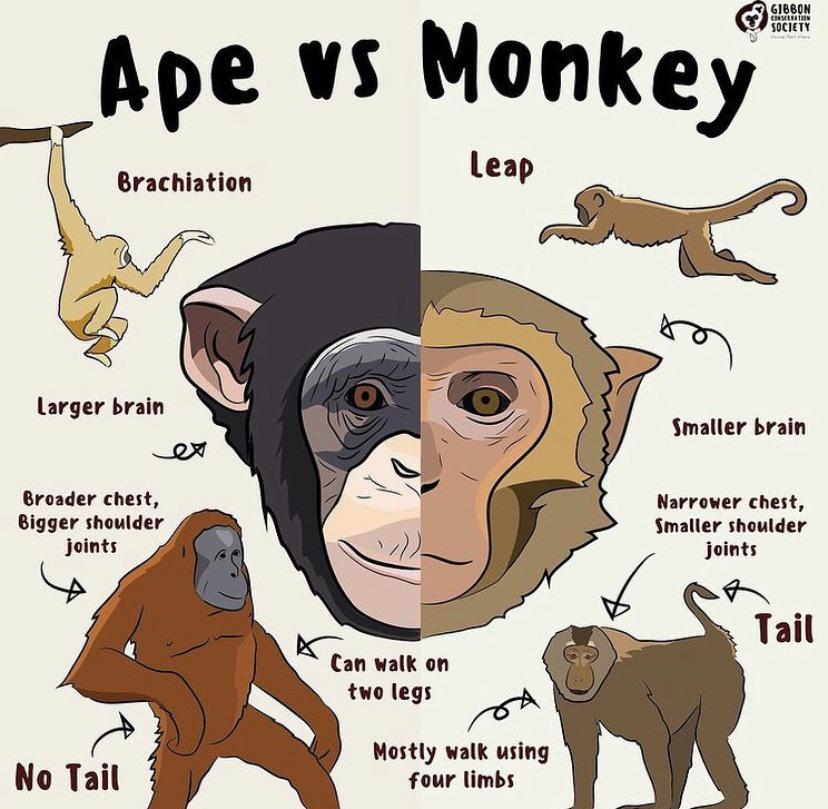
Apes, which include gorillas, chimpanzees, bonobos, orangutans, and gibbons, exhibit significant differences from their monkey relatives. Unlike monkeys, most apes do not have tails, and those that do are not prehensile. Apes possess a more complex brain and exhibit higher levels of social structure and tool use. Their anatomy is also adapted for brachiation—swinging through the trees with their long arms—and they have a more upright posture compared to most monkeys.
Conservation Status of Primates
Threats to Primate Populations
Primates are increasingly facing numerous threats, with habitat loss, poaching, and the illegal wildlife trade being primary concerns. Deforestation for agriculture and human settlement continues to shrink the natural habitats of these creatures, leaving them vulnerable to extinction. Climate change also poses additional risks, disrupting ecosystems and food sources vital for primate survival.
Efforts to Protect the Primates
Conservation efforts are critical in ensuring the survival of primate species. This involves preserving their habitats, enforcing laws against poaching and wildlife trade, and promoting awareness about their plight. Research and conservation organizations work tirelessly to implement strategies to protect these remarkable beings, but they require collaboration and support from governments, local communities, and the global community to be truly effective.
Conclusion
The survival of primates is undeniably linked to the preservation of our planet's biodiversity and ecological balance. Understanding their unique features and the threats they confront is the first step towards fostering an environment where both humans and primates can coexist. As inhabitants of a shared Earth, it is our collective responsibility to enact and support measures that safeguard these extraordinary creatures for generations to come.