Tall Tails: A Ring-tail's Signature Feature

The ring-tailed lemur, instantly recognizable by its vividly striped tail, stands out as Madagascar's most iconic primate. With approximately 13 alternating black and white bands, the lemur's tail is not just a visual spectacle but a critical tool in social communication and balance. Unlike other lemurs, the ring-tailed species is diurnal and occasionally nocturnal, with an affinity for both arboreal and terrestrial life.
Scent Wars: Male Rivalry and the Smelliest Tail Contest
Male ring-tails engage in unusual "stink fights" for female attention during breeding seasons. With specialized scent glands on their wrists and chests that other large lemurs lack, males scent their tails and wave them as banners in a competition that is as aromatic as it is intense. The male with the most potent tail scent claims victory.
Vital Statistics: Understanding Ring-tail Lemurs
These lemurs measure between 38-45cm in body length, sporting an impressive tail of 56-62cm. Males have unique scent glands and spurs for marking territory. In the wild, they can live up to 27 years, but in captivity, their lifespan is usually around 14 years. Females give birth annually, typically to one offspring, but twins can occur when food is abundant.
Social Structure: The Matriarchal Society of Ring-tails

Groups typically house 2-16 individuals with a dominant female at the helm. The social hierarchy within these groups is complex and dynamic, with females generally staying in their natal groups while males may migrate. Females display a preference for breeding with newcomers, resulting in an ever-evolving social landscape.
Foraging and Feeding: The Omnivorous Diet
Comprising mainly of fruits like wild figs and supplemented by leaves, flowers, bark, sap, insects, and occasionally small vertebrates, ring-tails have a diverse diet. They are particularly fond of foraging for tamarind fruit and are essential seed dispersers and pollinators in their habitats.
Ringleader Tactics: Group Dynamics and Leadership
Female ring-tails lead the roving bands across Madagascar's forests. Territorial at heart, especially during mating season, these lemurs have intricate means of claiming and defending their areas, including vocal displays and the strategic use of their scent glands.
Propagation and Parenting: The Cycle of Life
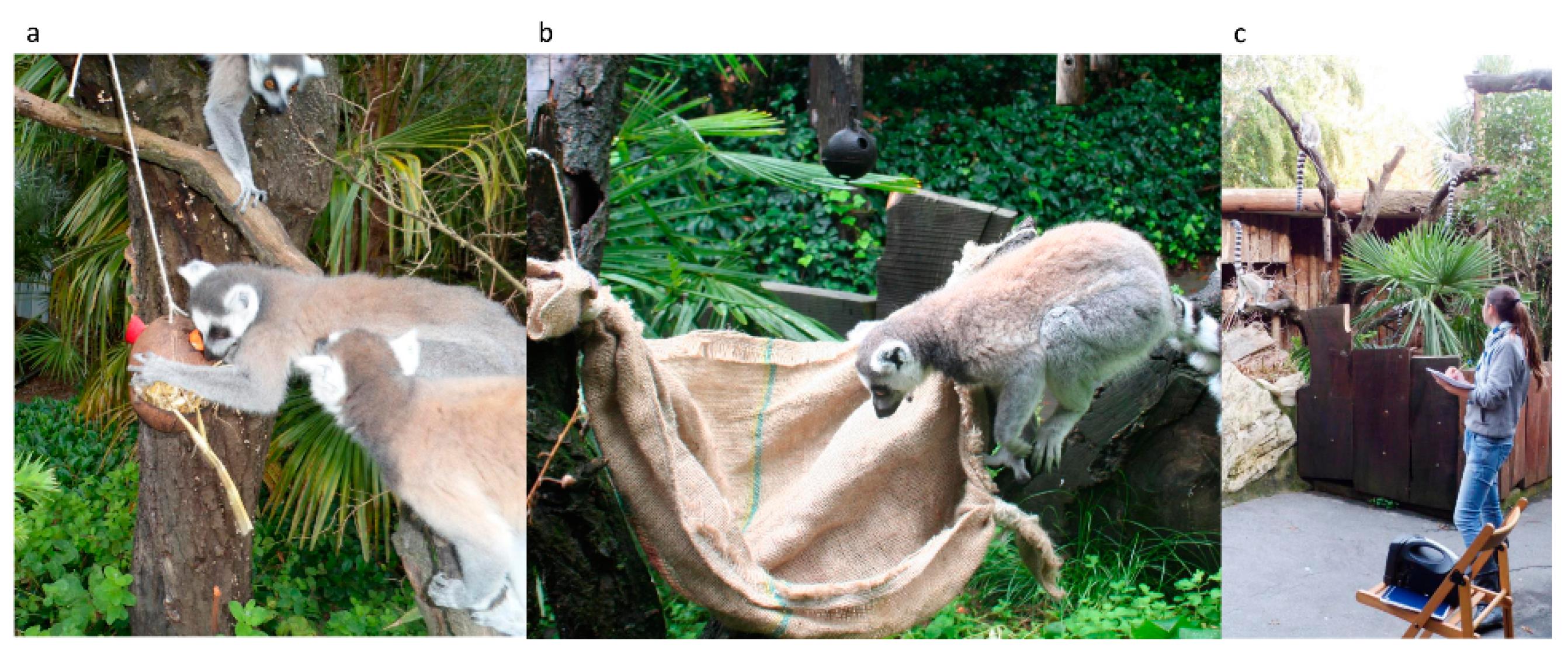
With typically one baby per year, ring-tailed lemur offspring are born with blue eyes that later turn golden. Infant lemurs develop rapidly, transitioning from clinging to their mothers to independent movement within months, although their high mortality rate underscores the fragility of life in the wild.
Communication: The Language of Lemurs
Lemurs utilize a sophisticated array of vocalizations, from cohesion calls to territorial howls and alarm signals, each serving a distinct purpose in their social repertoire. These calls not only cement social bonds but play a crucial role in survival.
Conservation Status: Threats to Survival
Although they breed successfully in captivity, ring-tailed lemurs face vulnerability in the wild due to habitat loss from deforestation, overgrazing, and illegal hunting. With an estimated 10,000-100,000 left in their natural environments, conservation efforts are imperative.
Conclusion: The Standing of Madagascar's Striped Ambassador
The ring-tailed lemur's distinctive appearance and behaviors make it one of the most well-known of Madagascar's native species. As critical players in their ecosystem, they face significant threats in the wild. Understanding and protecting these remarkable creatures is key to preserving Madagascar's unique biodiversity.