Introduction to the Rare and Fascinating Daubentoniiformes and Lorisiformes
Deep in the forests of Madagascar lives a creature so unusual that it defies conventional classification. The Daubentonia aye-aye stands as the sole representative of the Family Daubentoniidae, known for its peculiar foraging habits and distinctive appearance. In the realms of academia and research, its significance carries not just a glimpse into evolutionary biology but also into conservation efforts needed to protect such idiosyncratic species. Equally entrancing are its distant cousins, the members of the Family Lorisidae within the infraorder Lorisiformes. These nocturnal beings, embodying the loris, potto, and galagos, weave their own tapestry of ecological wonders across the continents of Africa and Asia.
The Aye-Aye: Madagascar's Nocturnal Architect
The Unique Anatomical Features of the Aye-Aye
Belonging to the Genus Daubentonia, the aye-aye's anatomy presents an evolutionary marvel. It possesses elongated middle fingers used to tap on wood to locate grubs and a bushy tail that eclipses its body length. The aye-aye's large, reflective eyes peer through the darkness, aiding in navigation as it forages during the night.
Conservation Status and Human Impact on Aye-Aye Populations

Weighed down by superstitions and habitat destruction, the aye-aye's existence is precarious. Conservationists wage a continuous battle to alter local perceptions and implement sustainable practices to ensure the survival of this infraorder's curious flagship species.
The Whispering Movements of Lorisiformes
An Overview of Lorisid Family Dwellers
The loris, potto, and galagos share the infraorder Lorisiformes, with adaptations perfectly suited to life in the treetops. Their slow, deliberate movements make them nearly undetectable to predators and prey alike, while their sharp senses keep them attuned to the subtle frequencies of the forest.
Challenges Faced by Lorisiformes Across Their Habitats
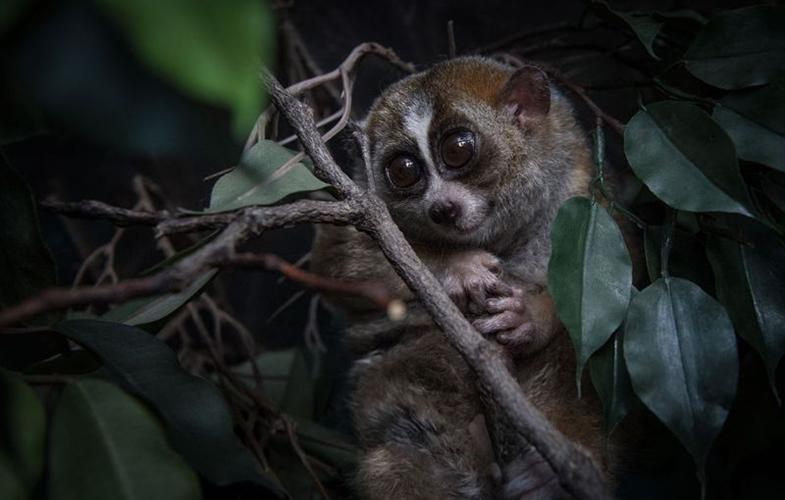
Despite their adaptability, lorisids confront significant threats. The pet trade, deforestation, and poaching have drastically reduced their numbers. Active involvement in international and local conservation plans is vital to avert the risk of diminishing these species further into obscurity.
Conclusion: The Imperative Role of Conservation
The exploration of species like the aye-aye and its Lorisiformes relatives underscores the vast, intricate tapestry that biodiversity presents. It is an incredible mosaic that requires our attention and action to conserve. Researchers, academicians, and conservationists continue their relentless pursuit to understand and protect these incredible anthropoids, all while fostering a deeper appreciation for the obscure wonders Nature has to offer. The future of these remarkable species lies not only in our hands but in our willingness to look beyond our assumptions and learn to coexist with the unparalleled mystery they represent.