The Leaping Legends: Bushbabies' Remarkable Escape Strategy

While some animals freeze or camouflage to evade predators, galagos, otherwise known as bushbabies, opt for a more dynamic escape plan. When threatened, these little prosimians engage in wild, erratic leaps to flee from danger. With their compact bodies spanning 15-50cm in size, galagos are capable of astonishing jumps, with the smaller species clearing distances up to 8m with minimal height loss. The record for the highest standing jump amongst them reaches an impressive 2.25m, with most managing leaps of 2m routinely.
Galagos' High-Performance Jumping Gear
The secret to the galagos' jumping prowess lies in their physical adaptations. Their elongated hind limbs and substantial thigh muscles give them the strength to launch themselves into the air, while their fluffy, bushy tails, matching the length of their bodies, provide the necessary balance. To secure a strong grip upon landing, their hands and feet are equipped with disks of thickened skin. Additionally, the specialized ankle joints and, in the case of Needle-Clawed galagos, claws on all their digits except the first, add to their acrobatic abilities.
Unraveling the Vital Statistics of Galagos
Spanning various sizes, the smallest are the Dwarf Galagos, with head and body lengths of 10-15cm, and the Greater/Thick-tailed galagos resembling small cats at 27-46cm. The longevity of a galago can stretch from 3-4 years in their natural habitats to 10-15 years in captivity. Often birthing twins, especially the Thick-tailed, their gestation ranges from 110-193 days, with maturity achieved between 6-20 months.
Behaviors and Social Structures in Galagos
Galagos maintain a mostly solitary foraging habit, though some do gather in sleeping groups varying from a pair to 20 individuals. The males wield larger territories which overlap with those of the females. As nocturnal creatures, they rely on their prominent eyes and movable ears for prey detection and predator avoidance. Intriguingly, galagos communicate vibrantly, using loud calls for territory defense, scent for territorial marking and conveying reproductive states, and varied vocalizations, from chirps to a baby-like cry, which has given rise to their common name.
The Importance of Galagos in Their Ecosystems
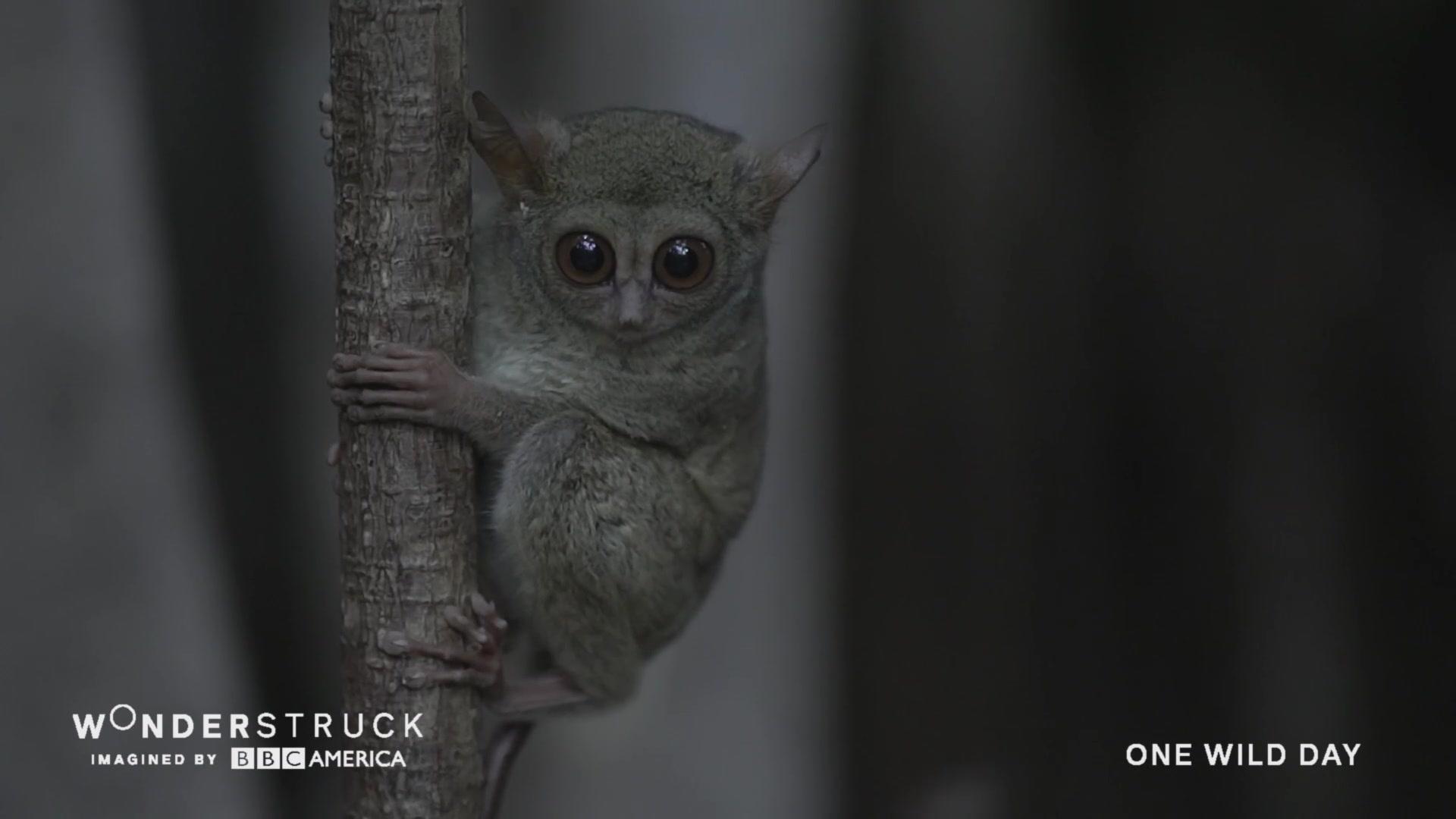
Galagos play a vital role in their habitats. They pollinate plants as nectar feeders and disperse fruit seeds. Their predatory behavior helps control the populations of insects and other small prey, while also being prey themselves to larger nocturnal hunters, like owles.
Status and Threats to Galagos
Galagos face habitat destruction but fortunately are not currently experiencing severe threats to their population. The Lesser/Senegal galagos, being the most widespread, inhabit a variety of environments primarily outside of rainforests. The Greater/Thick-tailed galagos occupy areas rich in fruit sources. Regrettably, hunting for food and fur and trapping for pets are potential risks to their well-being. Moreover, the discovery that galagos can harbor the yellow fever virus without falling ill adds a layer of concern, as they can inadvertently contribute to human disease transmission through mosquitoes.