Introduction to Our Closest Relatives

Our planet hosts an incredible diversity of life, and among the most fascinating are the primates. These remarkable animals range from the tiny mouse lemur to the majestic gorilla, encompassing an impressive array of adapted species. In this article, we dive deep into the intricate world of primates, exploring their behaviors, ecological roles, and the very essence of what makes them our closest living relatives in the animal kingdom.
Understanding Primate Behavior and Ecology
The study of primate behavior and ecology opens a window into the survival strategies and social structures that characterize these intelligent beings. Many resources offer valuable insight into the daily lives of various primate species, detailing their feeding habits, mating rituals, and complex societal interactions.
Conservation Efforts for Primates
Organizations like the Bioko Primate Protection Programme spotlight the urgent conservation efforts required to protect these species, many of which face threats from deforestation and illegal hunting. Their work sheds light on the crucial role of primates in their native ecosystems and the pressing need to safeguard their futures.
Photographic Journeys Through the Primate World
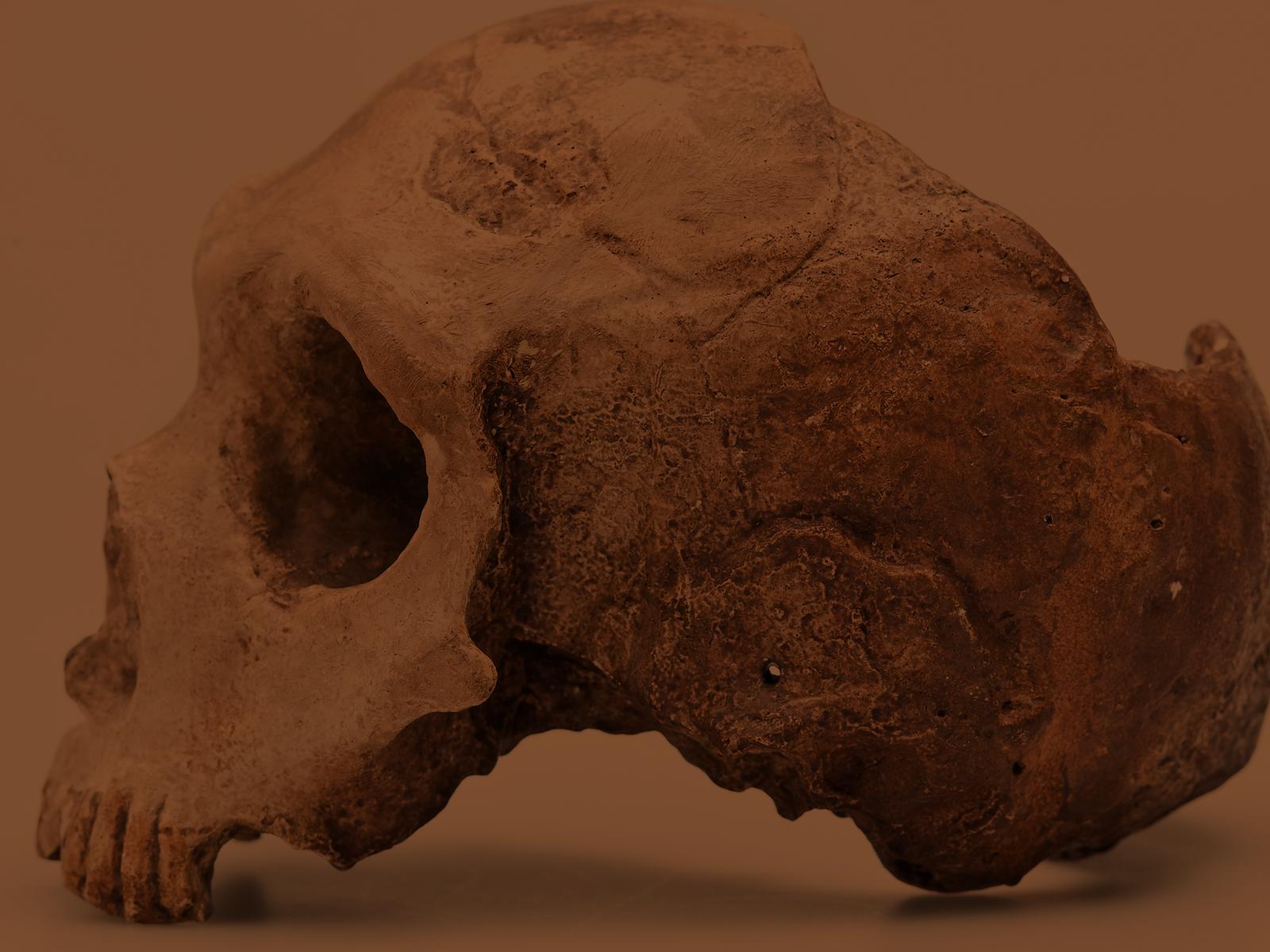
Captivating photographs and detailed fact sheets, such as those from Heather's Wild World of Animals, bring the primate world closer to us, showcasing their diversity and the unique characteristics of different species.
A Deep Dive into Primate Taxonomy and Evolution
The classification and evolutionary history of primates tell a story of adaptation and survival. Exploring the taxonomy of primates not only helps us understand their place in the natural world but also unravels the complex journey of our own species' evolution.
The Primate Family Tree
The branching of the primate lineage is a tale of evolution, filled with fascinating transitions and the emergence of diverse adaptations. From prosimians to apes, understanding the primate tree of life is key to grasping how these species fit into the broader landscape of biodiversity.
The Role of Primates in Human Understanding

Primates have long been a source of reflection for humanity, providing insights into our own behavior and cognitive abilities. Studies related to primate social structures, learning abilities, and their adaptations have profound implications for fields ranging from anthropology to neuroscience.
Academic Resources and Further Reading
For those eager to expand their knowledge, the depth of available academic material is vast. Works by well-known primatologists, detailed animal guides, and comprehensive college course materials offer extensive information on primate characteristics, lifestyles, and more.
Conclusion: Celebrating Primate Diversity
In conclusion, the world of primates is rich and diverse, full of wonders waiting to be discovered. Whether you are a student of primatology, a conservationist, or simply a curious individual, the wealth of information available provides a comprehensive window into the lives and survival of these incredible animals. By understanding and appreciating primates, we take a step toward ensuring their continued presence on our shared planet.