The Mesmerizing Scales of the Sunbeam Snake

The Sunbeam or Iridescent Earth Snake, with its smooth and glossy scales, produces a dazzling iridescent sheen when basking in sunlight. A creature of beauty and mystery, this reptile captures the awe of those fortunate enough to glimpse it in its natural habitat.
Nature's Nocturnal Artist: The Sunbeam Snake's Lifestyle
As a secretive and primarily nocturnal serpent, the Sunbeam Snake thrives under the cover of darkness. Tailored for a life spent partially underground, it exhibits unique adaptations such as a flattened head, reduced eyesight, and an absent neck—a testament to nature's incredible ability to adapt to diverse living conditions, usually in proximity to water sources.
Diet: A Menu of the Wild
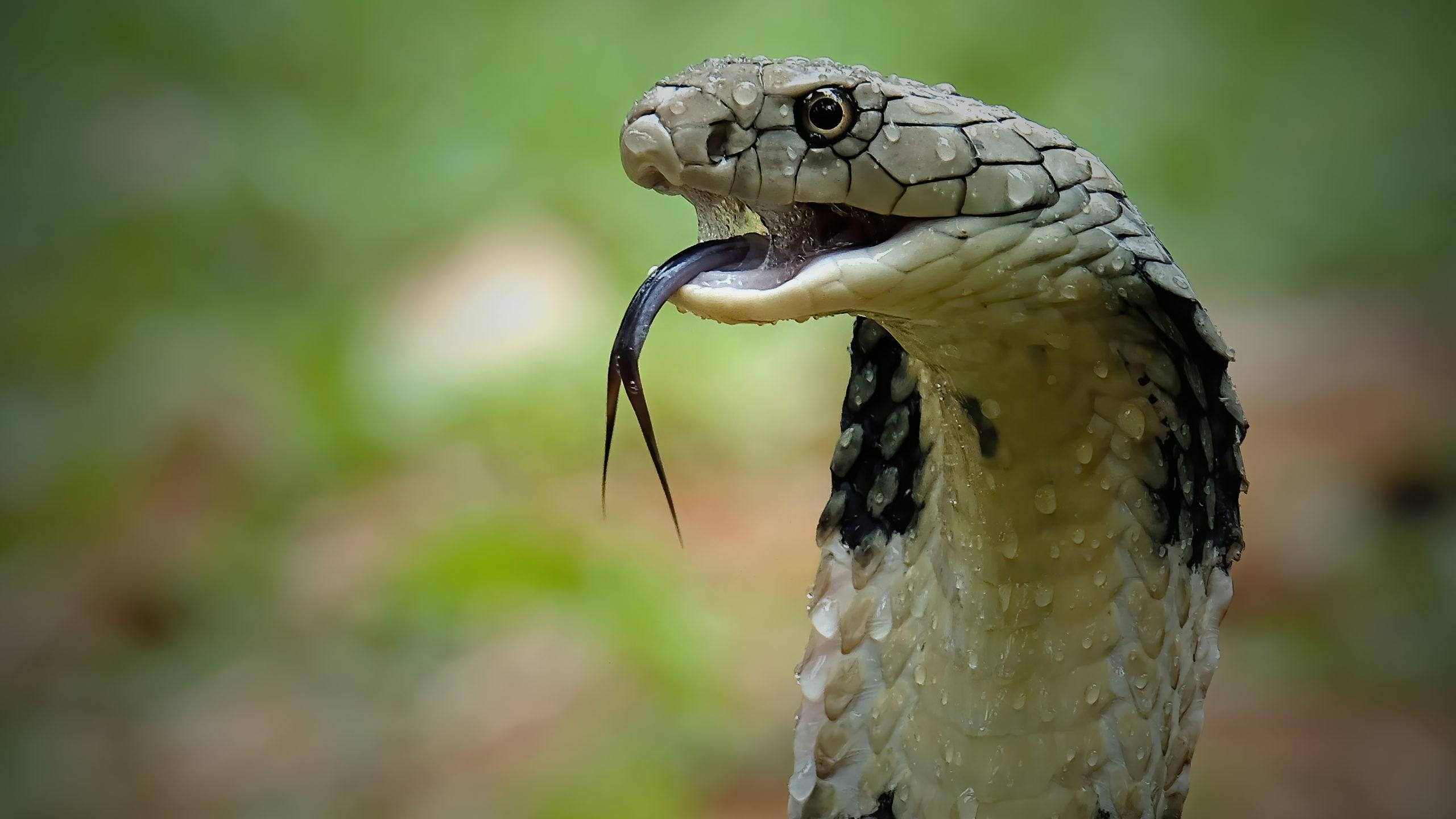
The diet of the Sunbeam Snake is as varied as the landscape it inhabits. From skinks and amphibians to lizards, other snakes, and even small mammals, this serpent is an opportunistic feeder that plays a vital role in the ecological balance of its native ecosystem.
Protection Status: Conservation Challenges Ahead
Despite its gentle nature, the Sunbeam Snake faces formidable threats from the exotic pet trade. With high mortality rates in captivity and difficulties in captive breeding, the pressure on wild populations continues to grow. Conservation efforts are imperative to ensure the survival of this remarkable species.
Vital Statistics
- Size: Approximately 1m in length
- Lifespan: Currently unknown
- Reproduction: Clutches of 6-17 eggs
Habitat and Distribution: From Forests to Rice Fields

The Sunbeam Snake is a versatile inhabitant, thriving in the lowland rainforests and waterside habitats such as paddy fields. Its presence stretches from Indochina through Thailand, tapering down the Malay Peninsula, with a significant population in Singapore.
Unique Anatomical Features of the Sunbeam Snake
Placed in a family all its own, Xenopeltidae, the Sunbeam Snake shares distant relations with all other snake species. With anatomical oddities like folding teeth similar to Aniliidae (Pipesnakes) and "primitive" features such as pelvic remains and vestigial limbs, it showcases a fascinating evolutionary background. What's more, it boasts asymmetrical lungs, a trait shared with other more primitive serpents.