Unveiling the True Identity of Tarantulas

In the exotic pet domain, the term 'tarantula' evokes images of hairy, large spiders that are a source of both fascination and fear. However, what most enthusiasts might not know is that these creatures are part of a broader scientific classification known as Mygalomorphae. This intriguing class of spiders is not limited to what we casually call tarantulas but encompasses a diverse group of species that share certain anatomical characteristics, including their robust jaws and parallel fang orientation.
Understanding Mygalomorphae: Beyond the Name 'Tarantula'
Characteristic Features of Mygalomorphs
Mygalomorphs boast a lineage that traces back to the Triassic period, making them some of the most ancient spider species still roaming the earth. Unlike their araneomorph cousins, whose fangs operate in a pincer-like motion, mygalomorph fangs move up and down in a stabbing motion. This distinctive feature, along with their hefty build, sets them apart in the arachnid world.
Why the Name 'Tarantula' Is Misleading

The common use of 'tarantula' is a misnomer that can cause confusion. Originally, the name was associated with wolf spiders found near the Italian town of Taranto, believed to cause a condition known as 'tarantism.' Today's 'tarantulas' found in pet trade actually belong to a different order and have habits and habitats that vastly differ from their namesake wolf spiders.
The Diversity of Mygalomorphs
With over 300 genera and more than 2,600 species, the Mygalomorph family exhibits a rich tapestry of spiders, including the famous tarantulas, trapdoor spiders, and the ominous sounding 'whistling' and 'barking' spiders. This immense variety is testament to their adaptability and evolutionary success.
The Lure of the Exotic: Caring for Your Tarantula
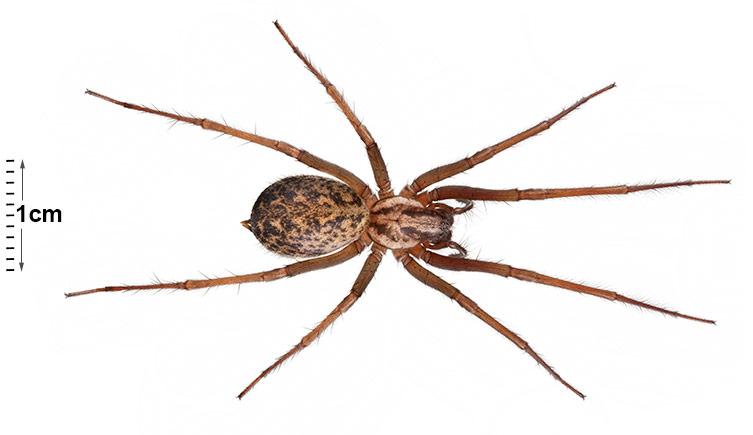
For enthusiasts looking to bring a piece of the wild into their homes, tarantulas offer an exotic allure. Caring for these creatures, however, requires attentiveness to their specific needs. From maintaining the right temperature and humidity in their enclosures to understanding their feeding habits and the importance of molting, tarantula care sheets are invaluable resources for responsible pet owners.
Reptilian Companions: Snakes and Lizards in the Spotlight
Understanding the Needs of Your Reptilian Pets
Similarly, snakes and lizards each have their own complex requirements. The diversity within these species is staggering, with variations in diet, habitat needs, and behavior. Whether you are caring for a docile corn snake or a sun-loving bearded dragon, the key to a healthy reptilian pet lies in recreating their natural environment as closely as possible and monitoring their health with vigilance.
The Importance of Research and Knowledge
For all potential pet owners of these striking creatures, thorough research is paramount. Care sheets, compiled by experts and seasoned hobbyists, serve as an excellent starting point for understanding the day-to-day responsibilities and long-term commitments involved in keeping such unique animals.
Conclusion: Celebrating Diversity in Exotic Pet Ownership
Whether it's the misunderstood tarantula or the wide array of snakes and lizards, exotic pets bring a slice of the natural world's diversity into our lives. With careful research, proper care, and a passion for learning, enthusiasts can enjoy the wonders of these remarkable creatures while ensuring their wellbeing and preservation for years to come.