How Slow Are Sloths?

Sloths are notorious for their lethargic way of life, spending most of their time asleep and seldom making hurried movements. Their slowness is so remarkable that they average a distance that would take humans minutes to cover, across an entire month. With daily movement scarcely exceeding 40 meters and their eating pace mirroring their general sluggishness, sloths have redefined the essence of slow living.
Why Are Sloths Slow?
The sloths' deliberate pace is a strategic adaptation for survival. Predators, primarily birds of prey, are swift to spot rapid movements, which makes the sloth’s subtlety a perfect disguise. The dusk and nighttime activity pattern helps them evade these keen-eyed hunters, most of which have inferior night vision. Despite their habitual slowness, sloths can make brisk movements when necessary, albeit for short durations before exhaustion sets in.
Vital Statistics of Sloths
- Size: 58-70cm in length and 4-10kg in weight
- Lifespan: 10-20 years in the wild; up to 30 years in captivity for 2-toeds
- Babies: One young per birth after a 5-11 months gestation
- Habitat: Exclusive to dense primary rainforests in South America
- Classification: From the family Megalonychidae within the order Xenarthra
Understanding Sloth Metabolism and Diet
Consuming low-quality food necessitates an economized metabolic rate for sloths, which is significantly less than other mammals of comparable size. A sloth's thick, insulating fur and ability to tolerate fluctuations in body temperature aid in conserving energy. With sparse muscular development, sloths rely on behavioral adaptation rather than physiological ones like shivering to stay warm, such as sun basking for temperature regulation.
Curious Facts About Sloths
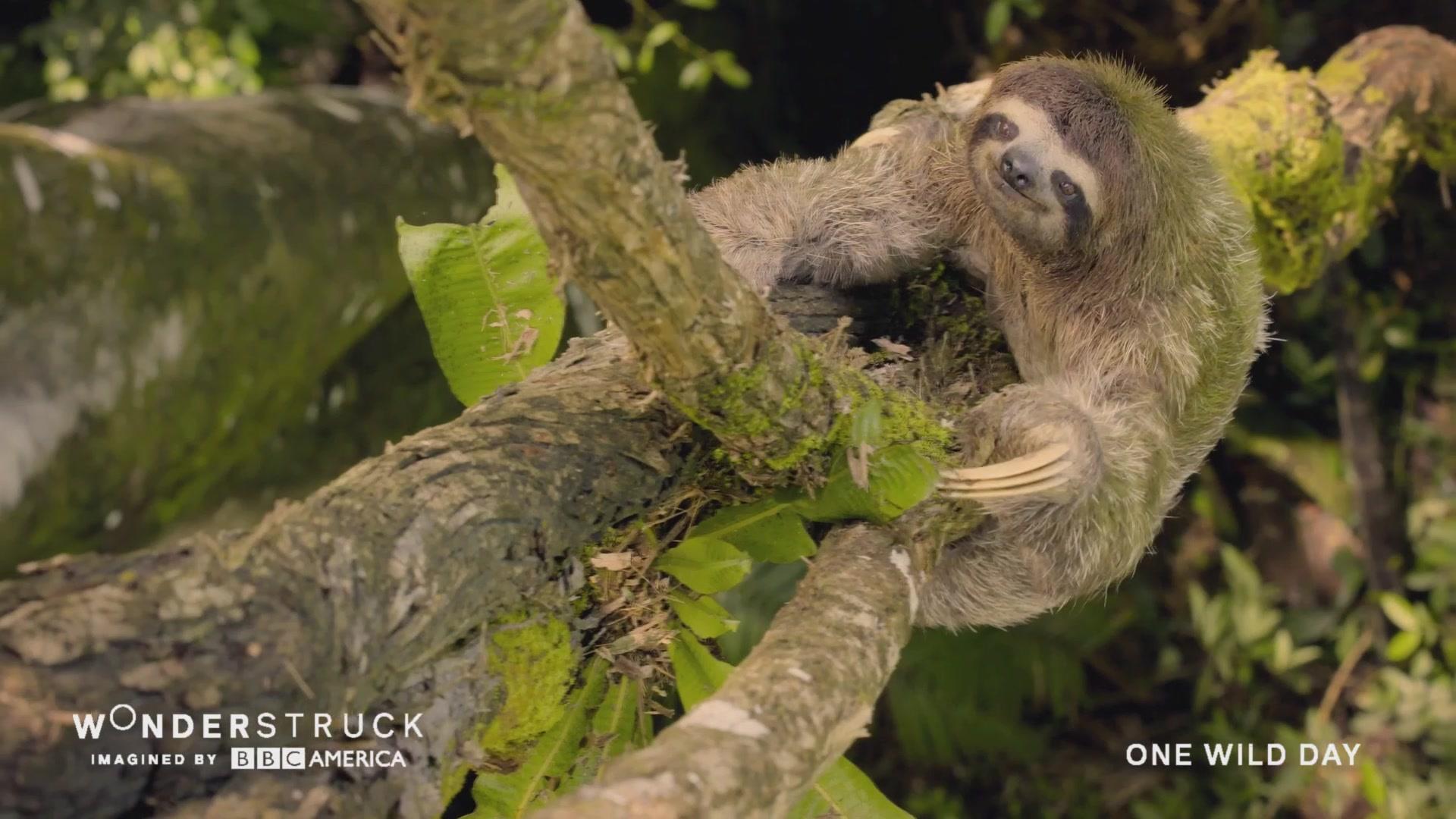
Sloth fur, never groomed by its host, allows for algae growth, providing camouflage and additional nutrients. This furry ecosystem can become a habitat for diverse insect species. The upside-down lifestyle of sloths is facilitated by distinct anatomical features, from their uniquely adapted claws and limbs, to their ability to rotate their neck to an astonishing 270 degrees.
Reproduction and Social Behavior of Sloths
Solitary by nature, sloths showcase a slow-motion social scene with extended mating sessions and minimal parental male involvement. Females predominantly manage offspring rearing, nurturing the young on their belly for several months before independence is established.
The Risks Sloths Take for Ground Travel
Their purposeful descent to the forest floor is a risky but necessary venture for defecation which serves in part to nourish the very trees they inhabit. This behavior underlines the complexity of sloth survival strategies in the wild.
The Critical Role Sloths Play in Forest Ecology

Acting as both a mini-ecosystem for diverse creatures and a participant in the nutrient cycle, sloths are more than passive forest dwellers. With remarkable healing abilities and potential to contribute to medical science, sloths are creatures of significant ecological and scientific interest.
Conservation Status and Threats to Sloths
Habitat destruction and illegal wildlife trade present palpable threats to sloth populations. While some species are denoted as CITES 2, indicating potentially threatened, others stand at CITES 3, implying species that need monitoring to ensure sustainable trade.
Distinguishing Between Sloth Species
With three toes on their hind limbs, the distinction between the two-fingered and three-toed sloths can be confusing. Their dietary habits, activity patterns, and specific habitat layers differ, highlighting that, despite outward similarities, these two families of sloths have distinct ecological niches and adaptive features.
In Conclusion
Sloths, despite their deliberate movements and tranquil demeanor, are fascinating creatures well-adapted to their arboreal way of life. From their specialized metabolism to their contribution to the rainforest’s biodiversity, sloths are a testament to the myriad evolutionary paths life on Earth has taken.