Infraorder Scolecophidia: The Blindsnakes
Superfamily Typholopoidea
Family Anomalepididae (Primitive/Dawn Blindsnakes)

The family Anomalepididae, known as primitive or dawn blindsnakes, represents some of the most basal lineages in the Scolecophidia infraorder. With small, thread-like bodies and reduced eyes, these snakes are perfectly adapted to a subterranean lifestyle, feasting on ants and termites.
Family Leptotyphlopidea (Thread/Slender/Worm Snakes)
Leptotyphlopidea, or thread snakes, are characterized by their slender bodies and resemblance to worms. These tiny serpents are found in varied regions across the world and play vital roles in soil health and pest control.
Family Typhlopidae (Blindsnakes)
Blindsnakes from the Typhlopidae family are another group of fossorial reptiles that lead a secretive existence underground. They predominantly feast on the larvae and eggs of insects while navigating through the darkness with sensory adaptations.
Infraorder Alethinophidia: The "True" Snakes
Parvorder Henophidia
Family Aniliidae (False coralsnake) Pipesnakes
Aniliidae, often mistaken for venomous coralsnakes due to their striking appearance, are actually harmless pipesnakes that inhabit tropical regions. They exhibit unique defensive behaviors and are a colorful display of mimicry in action.
Family Uropeltidae (Short-/Shield-Tail Snakes)

Uropeltidae, known for their stout, short-tailed appearances, are another fascinating lineage of burrowing snakes. These reptiles spend most of their lives beneath the ground and have tails adapted to block their burrow entrances against intruders.
Family Xenopeltidae (Sunbeam Snake)
The sunbeam snake, a sole member of the Xenopeltidae family, is renowned for its iridescent scales that shimmer in sunlight. This burrowing species is widespread across Southeast Asia and mesmerizes observers with its rainbow-like luster.
..Superfamily Colubroids: The Diverse Serpents
Family Colubridae (Colubrids)
Subfamily Colubrinae (Colubrine Snakes)
Colubrinae include a plethora of species like the elegant Ahaetulla prasina, the formidable Boiga dendrophila, and the popular pet Elaphe guttata, commonly known as the corn snake. This family is marked by its incredible diversity in habitat, appearance, and behavior.
Subfamily Xenodontinae (Xenodontines)
Xenodontines are among the more intriguing colubrids with species adapted to unique ecological niches. They are a testament to the adaptability and evolutionary success of colubrids in various environments around the world.
Family Elapidae (Elapids) and Family Viperidae (Vipers): Venemous Wonders
Family Elapidae (Elapids)
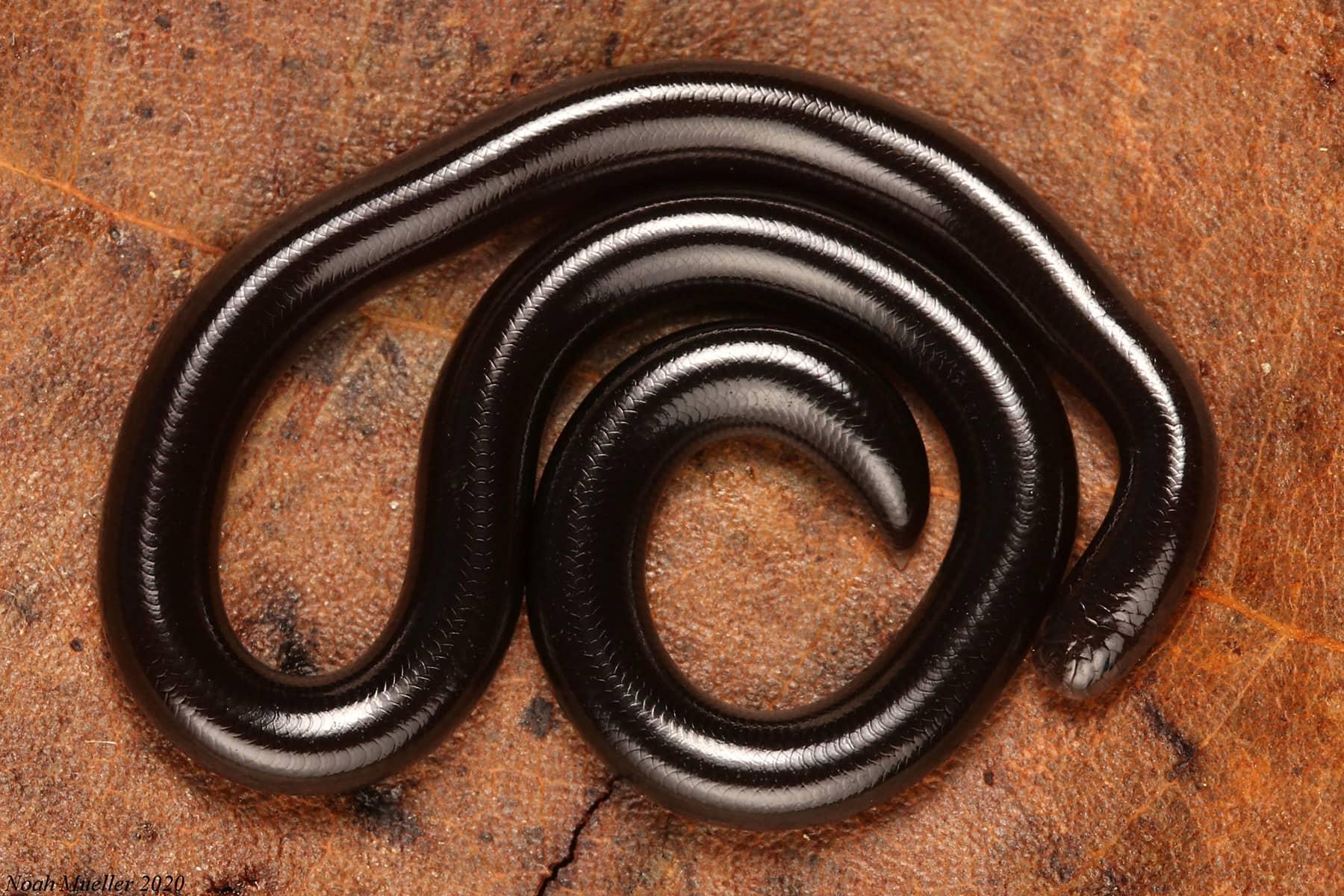
Elapids embody some of the most venomous snakes like the King Cobra and various cobra species. With potent neurotoxins, these snakes are both respected and feared across their native habitats.
Family Viperidae (Vipers)
Subfamily Crotalinae (Pit Vipers)
Crotalinae, or pit vipers, possess heat-sensing pits that allow them to detect and strike at warm-blooded prey with remarkable accuracy even in complete darkness. The eastern diamondback rattlesnake is a notorious member of this subfamily.
Subfamily Viperinae (True/Old World Vipers)
Viperinae are known for their distinctive hinged fangs which enable them to deliver venom efficiently. These snakes are responsible for many snakebite incidents, necessitating a deeper understanding and respect for their role in the ecosystem.