Introduction to Lemurs
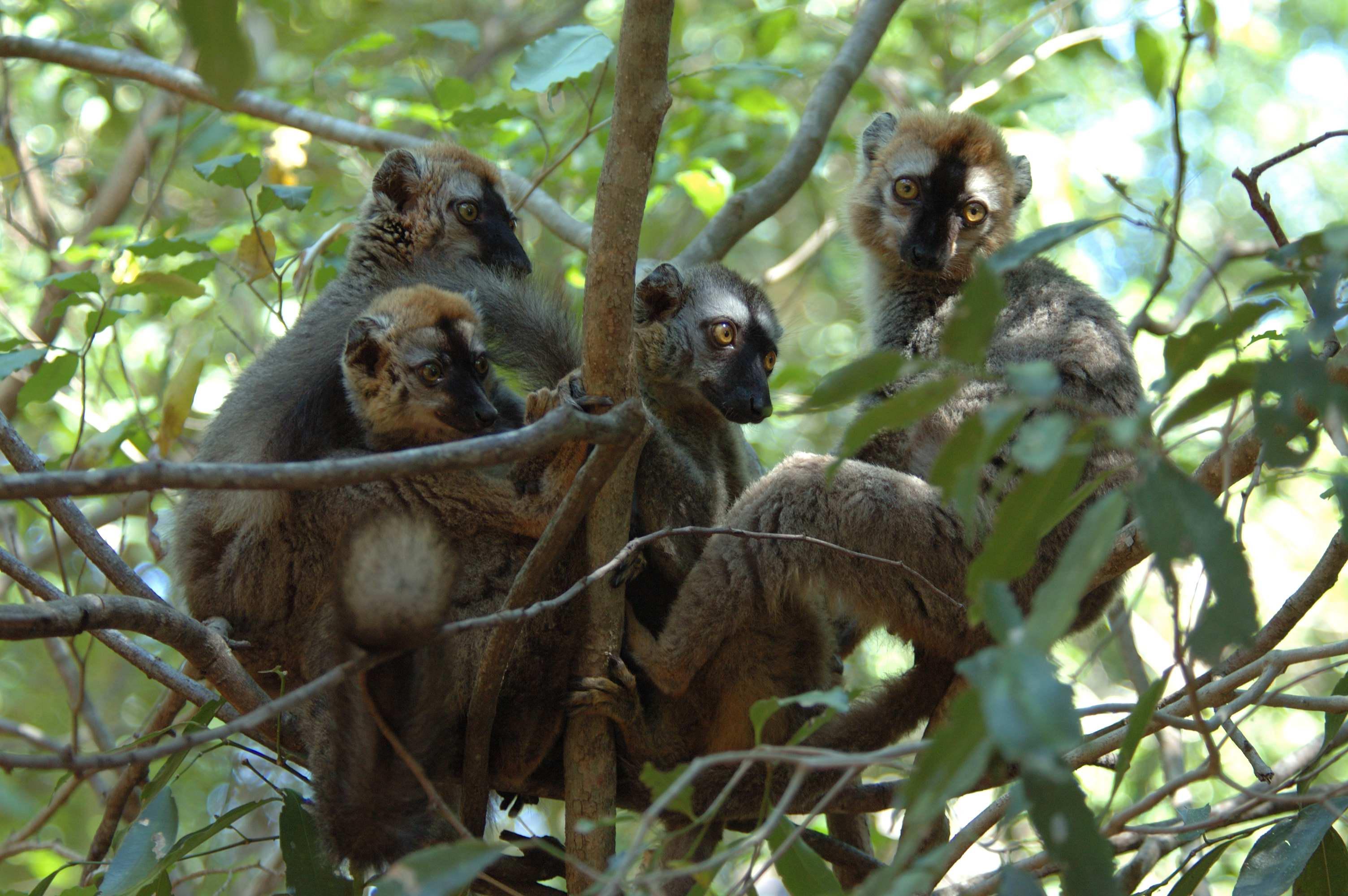
Welcome to the intriguing and exotic world of lemurs, a group of fascinating primates found solely in Madagascar and the neighbouring Comoro Islands. Isolated from the rest of the world for approximately 50 million years, lemurs have thrived without the competition of monkeys and apes, leading to the emergence of roughly 50 distinct species. This remarkable diversification showcases the incredible adaptability and evolutionary potential of these prosimians.
Lemur Evolution: An Island's Isolation
The theory that ancestors of modern lemurs journeyed from Africa to Madagascar on mats of vegetation provides a thrilling glimpse into the power of natural forces in shaping the destiny of species. In the seclusion of Madagascar, lemurs evolved in a variety of forms, some becoming larger and more gregarious than their small, nocturnal mainland counterparts, such as loris, bush babies, and tarsiers.
Ancient Giants Among Lemurs
Before humans made their mark on Madagascar, the island was home to lemur species of astonishing size, comparable to that of gorillas. Today's lemurs, while smaller, still amaze with their diversity and unique adaptations.
Adaptations for Arboreal Living
Lemurs are masterful tree-dwellers, known for their extraordinary leaping abilities. They possess powerful legs, designed for vertical and horizontal jumps, and opposable thumbs and toes for a secure grip. Their locomotive prowess is further enhanced by their quick four-limbed sprints across branches and their dexterous food collection techniques.
Tails and Physical Characteristics
While most lemurs have long, furry tails that assist in canopy navigation, non-prehensile tails prevent them from using these appendages for hanging. These impressive tails contribute to the lemurs' agility and poise during their acrobatic exploits.
Vital Statistics

Lemurs come in sizes ranging from 26-60cm, with their tail length being comparable or slightly longer. Weighing between 1 to 4.5kg, the Ruffed Lemur stands out as the largest living True Lemur. Lifespan, reproduction, and social behavior further underscore the complexity of these creatures.
Social Structures and Distribution
Social hierarchies dominated by a leading female characterize the group dynamics of most lemurs. With various species specialized to dissimilar niches, the distribution of lemurs across Madagascar is a study in environmental adaptation.
Dietary Habits and Habitat Use
Primarily frugivores and folivores, lemurs also partake in flowers, nectar, and occasionally insects and other small prey. Their essential roles within the ecosystem range from seed dispersion to aiding the recovery of forests.
Navigating the Senses: Smell and Vision
Lemurs boast a highly developed olfactory system and unique visual adaptations that distinguish them from other primates. These traits facilitate social interactions and help them navigate their lush, arboreal world.
Distinctive Lemur Features
From specialized grooming tools to methods of communication, lemurs exhibit a range of exclusive characteristics. Their vocalizations and use of scent provide insight into their complex social lives.
Lemur Taxonomy and Diversity
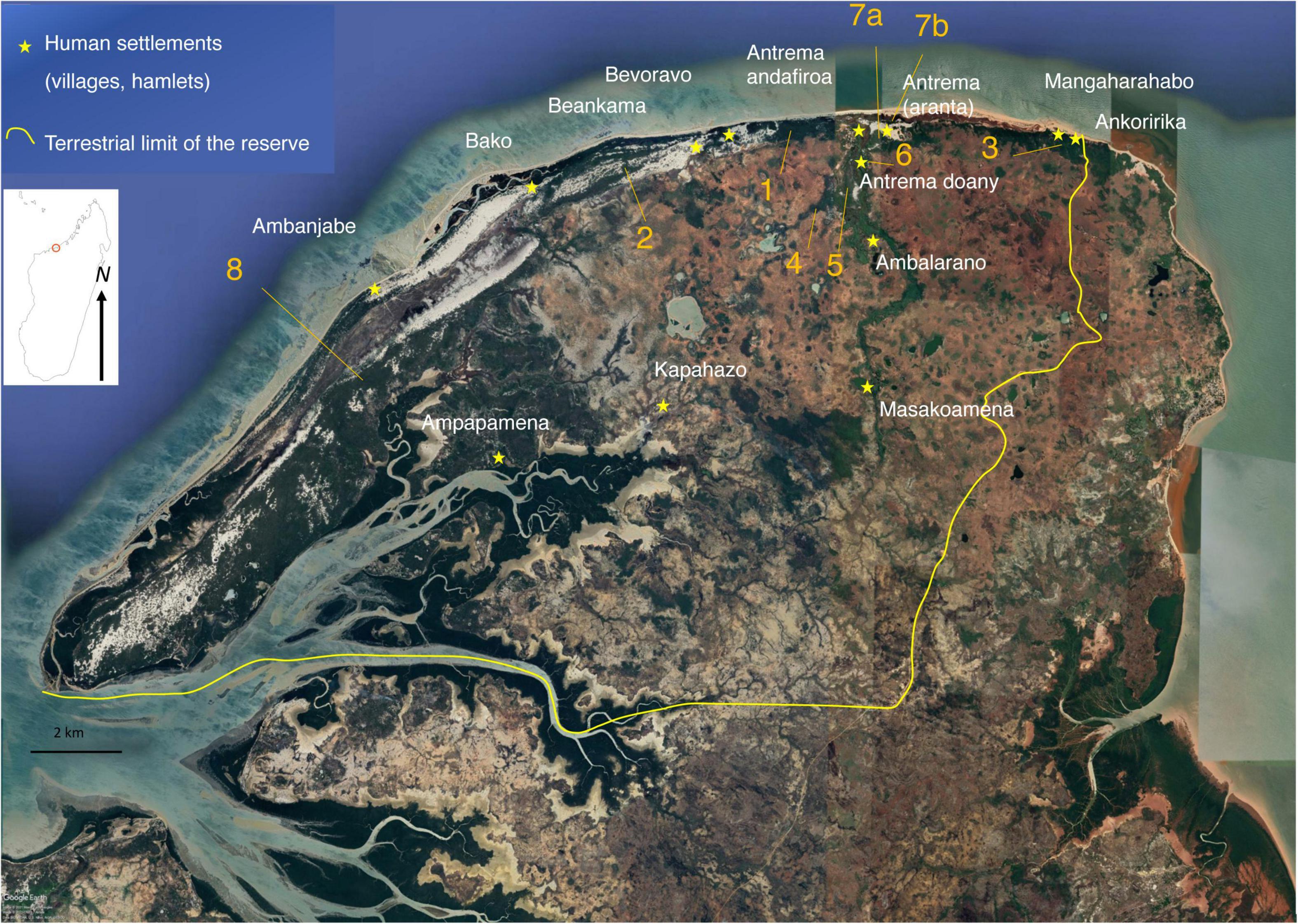
The family Lemuridae showcases the variety within this group, from the iconic Ring-tailed Lemur to the lesser-known but equally fascinating species of Gentle and Ruffed Lemurs.
Challenges Faced by Lemurs
Habitat destruction, hunting, and the pet trade threaten lemur populations. Conservation efforts focus on habitat protection, anti-poaching measures, and captive breeding programs. The work of the Madagascar Fauna Group and its partners is crucial in ensuring the lemurs' survival.
Conservation Initiatives in Madagascar
Organizations worldwide collaborate with local entities to sustain the existence of lemurs in the wild. From supporting protected areas to community education, these projects aim to foster a harmonious coexistence between humans and lemurs.
The Role of Lemurs in Ecosystems
As key pollinators and seed dispersers, lemurs have an irreplaceable function in maintaining the health and diversity of Madagascar's forests. Their interactions with the environment have far-reaching implications, affecting numerous other species.
The Road Ahead for Lemur Conservation
Raising awareness, enhancing law enforcement, and reinforcing the value of ecotourism are vital steps toward preserving these spellbinding creatures for future generations.