The Unique Anatomy of Snakes

Snakes are one of the most unique and fascinating groups of animals on our planet. Despite being vertebrates, snakes possess no limbs, wings, or flippers, which sets them apart from other organisms. Their elongated bodies are highly specialized for their particular way of life, allowing them to slither across various surfaces, navigate tight spaces, and exhibit remarkable flexibility.
Why Are Snakes Long and Limbless?
The evolutionary path of snakes has led to the development of their distinctive long and limbless bodies. This anatomy is not just unique but highly functional. It allows snakes to minimize friction with the ground while moving, and to occupy ecological niches that would be inaccessible to many other creatures. Their muscles work in harmony with their scales to propel them forward, and the length of their bodies aids in subduing and consuming prey.
What Do Snakes Eat?
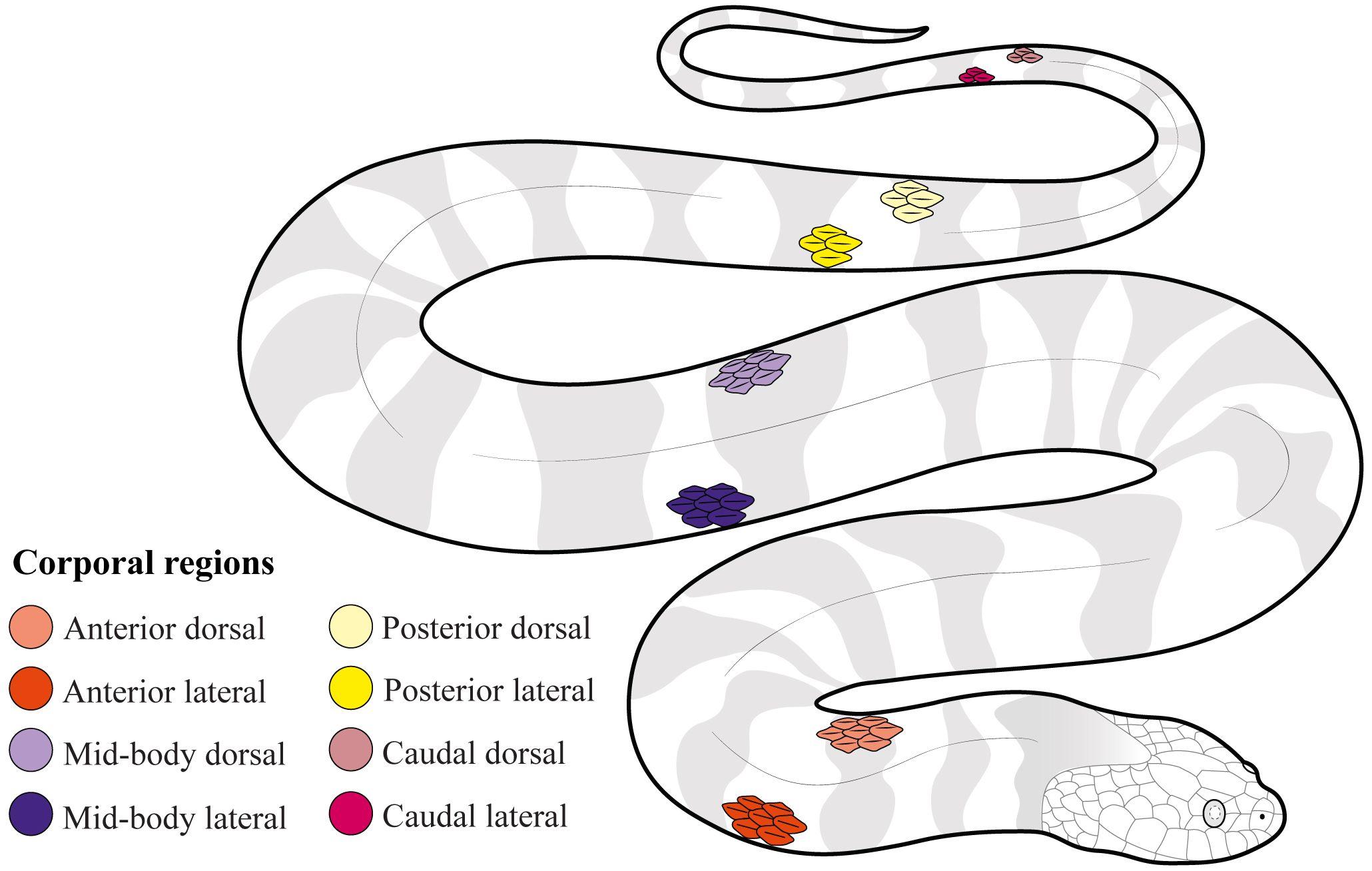
As predators, snakes play a critical role in the ecosystem by controlling the population of their prey. A snake's diet is typically made up of rodents, birds, amphibians, and other small animals. Larger snake species can even prey upon larger animals like deer or antelope. Snake feeding habits vary widely, with some species preferring certain types of prey over others, and many are known for their ability to consume food items much larger than their own heads, thanks to their highly flexible jaws.
How Do Snakes Hydrate?
The question of hydration is as crucial for snakes as for any living creature. Snakes do indeed drink water, although they do so infrequently. They typically hydrate by lapping up dew or rainwater from surfaces or soaking in shallow pools. Water is vital for their metabolism, and adequate hydration helps them to maintain their overall health and facilitate the shedding of their skin. However, their ability to survive on limited water intake is another adaptation that has enabled snakes to thrive in diverse environments, from arid deserts to lush forests.
Living Without Limbs: How Snakes Thrive

What appears to be a disadvantage at first glance is actually an incredible adaptation. The absence of limbs may seem like a limitation, but for snakes, it has resulted in an array of other evolutionary developments. For example, their skin is covered in scales which assist in protection, moving over rough terrain, and reducing water loss. Internally, their organs have become elongated and arranged linearly to fit within their narrow bodies. Their elongated form has allowed snakes to capitalize on various environmental opportunities, cementing their place as versatile and resilient carnivores.